Why do we need a Pansy Garden?
Many years ago when I was building a summer program for Queer teenagers, I was looking for the thing that could anchor our conversations about identity – something tangible that would help us move beyond our own stories. That’s when I learned about Paul Harfleet’s Pansy Project. He reclaimed a British slur by planting pansies at sites of violence in the UK, turning harm into beauty, and then creating photo exhibits that forced important conversations.

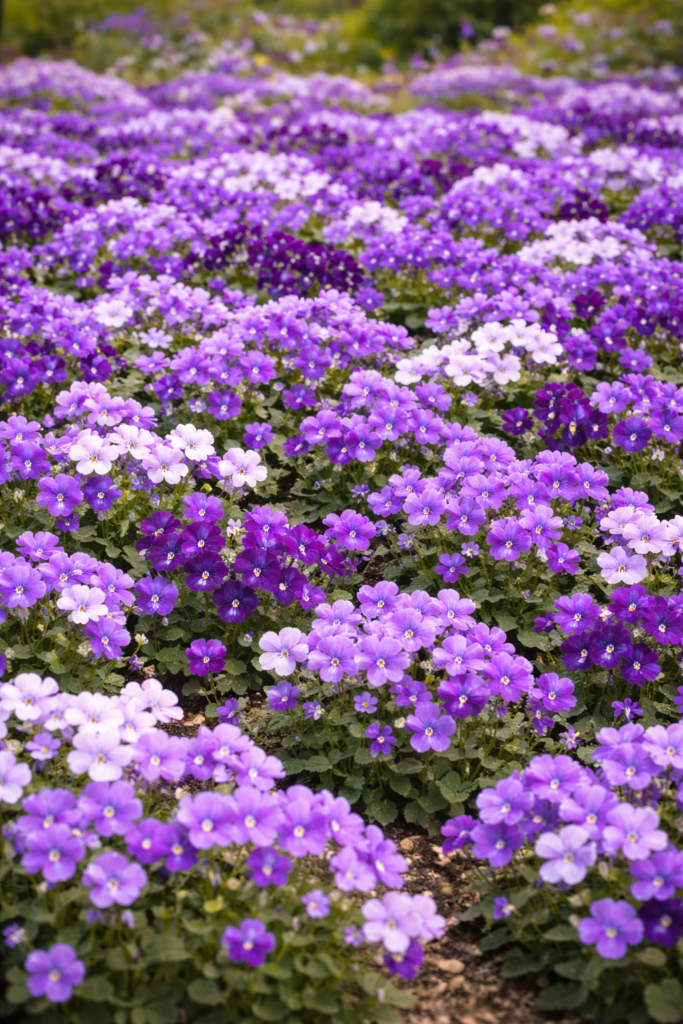
We purchased a plot in a community garden and the daily tending of that plot led to deep and meaningful conversations. “Pansy” carries weight in the UK but here it doesn’t land the same way. Just as “faggot” is deeply offensive here but simply means cigarette there, words shift depending on place and perspective. That contrast opened important conversations. It reminded us that language is cultural, harm is contextual, and meaning can change.
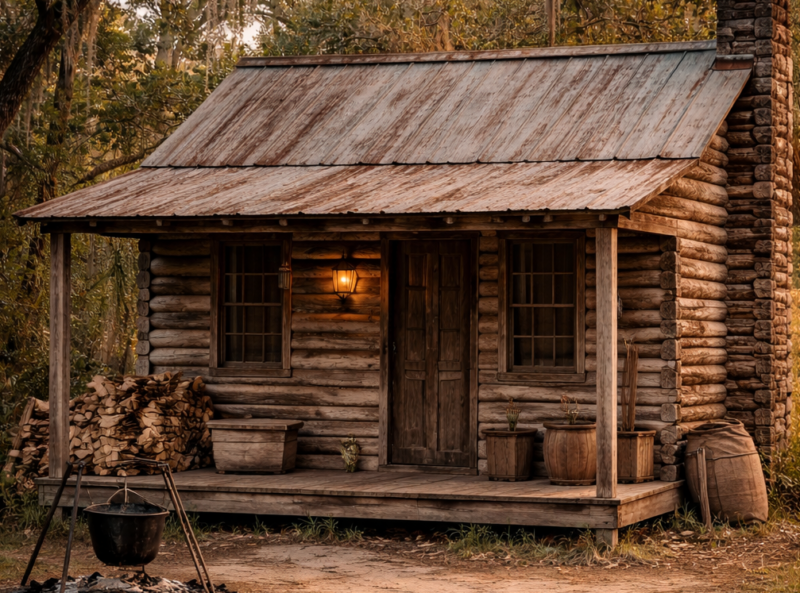
A few years ago, I realized that our beautiful Black Queer and Afrocentric space didn’t have a Black and Queer visible presence, and the first thing that came to mind was building a Pansy Garden in the Heritage Garden. In some ways, it was incredibly practical; we need the storage shed over there and we need a lending library. The idea of the Pansy Garden includes a storage shed that looks like a cabin with a front porch for sitting and talking and reading.
With the shed being the centerpiece of the Pansy Garden, Alicia is planning on painting a beautiful pansy mural on the structure and centering Rita Hester by writing her name in one of the flowers. After she’s done with that, we will host many events and encourage people to use our paint markers to write the names of the Black Queer folks who they love on the shed. The Pansy Garden within the Heritage Garden will create a permanent, visible, Black Queer anchor. We need it because belonging should be visible, flowers are beautiful, and we need to center and see our folks in our space.